

What Trims and Features Make the 2026 Hyundai Tucson a Top Compact SUV for Dayton Drivers?
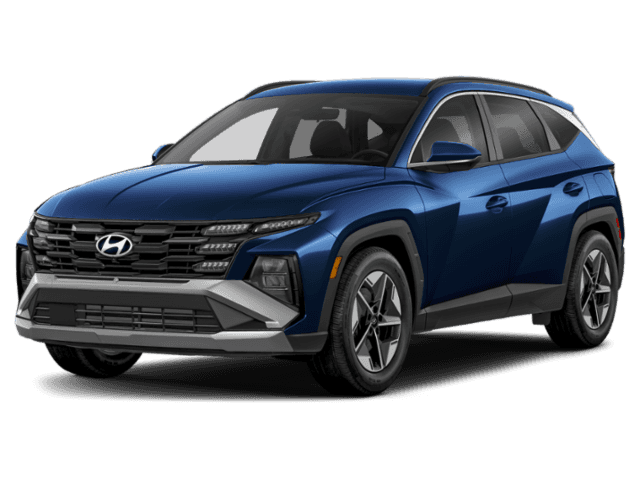
Compact SUV shoppers usually have to pick between space, technology, and price — the 2026 Hyundai Tucson is built so you don’t have to give up much on any of those fronts. With six trims spanning a well-equipped base model to a premium-focused Limited, the Tucson lineup gives Dayton-area drivers real flexibility to match a trim to their budget and daily routine.
Why Trim Level Matters When Shopping for a Compact SUV
Every 2026 Tucson trim shares the same basic shape and engine, but trim level is what determines the technology in the cabin, the visual styling, and which comfort and safety features come standard versus available. Deciding how much you actually need from those upper trims — versus what looks nice on a window sticker — is the fastest way to avoid overpaying for features you won’t use.
SE and SEL: Everyday Value
The SE and SEL trims are both built around a 2.5-liter four-cylinder engine producing 187 horsepower paired with an 8-speed automatic transmission, with front-wheel drive standard and Hyundai’s HTRAC All-Wheel Drive available for extra confidence in poor weather. SE keeps things straightforward with essential safety and comfort equipment, while SEL adds upgraded interior technology and convenience features without a major jump in price. For commuters navigating Dayton traffic or I-75, this pair covers the fundamentals well.
SEL Plus and XRT: Added Style and Capability
SEL Plus builds on SEL with additional convenience upgrades, while XRT takes the Tucson in a more rugged, outdoor-ready direction with unique styling cues and off-road-inspired design touches. Both keep the same 187-horsepower engine and HTRAC AWD availability, so the differences here come down to styling and equipment rather than performance.
SEL Premium and Limited: Premium Comfort and Tech
At the top of the lineup, SEL Premium and Limited add the Tucson’s richest interior materials, more advanced technology, and additional convenience upgrades like heated and ventilated seating. Limited in particular is built for buyers who want the Tucson’s practical footprint without giving up the comfort and tech expected in a modern SUV.
Hyundai SmartSense Safety Technology
Hyundai’s SmartSense suite plays a major role in the Tucson’s appeal, offering driver-assist features such as Forward Collision-Avoidance Assist, Blind-Spot Collision Warning, Lane Keeping Assist, and Smart Cruise Control. The 2026 Tucson has also earned a 2026 IIHS TOP SAFETY PICK+ award and a 5-star overall federal safety rating, helping add real confidence to every drive around the Miami Valley.
Cargo Space and Everyday Practicality
The 2026 Tucson offers 38.7 cubic feet of cargo space behind the rear seats, expanding to 74.8 cubic feet with the seats folded down — plenty of room for weekend gear, grocery runs, or a full Costco trip. Seating for five and a flexible cabin layout keep the Tucson practical for families and commuters alike, while higher trims add available dual panoramic displays and wireless Apple CarPlay and Android Auto to keep everyone connected.
What Buyers Should Compare Before Choosing a Trim
Beyond deciding how much technology and styling you want, it’s worth considering fuel economy: drivers who want significantly better mpg without stepping down in size should look at the separate Tucson Hybrid lineup, which pairs the same SUV practicality with a more efficient hybrid powertrain. Whichever direction you lean, a side-by-side test drive is the easiest way to feel the real differences between trims.
The 2026 Hyundai Tucson continues to stand out in the compact SUV class for its blend of space, technology, and value. Joseph Airport Hyundai’s Dayton-area team can help you compare trims side by side — browse our current Tucson inventory online, or stop by to see it in person.
0 comment(s) so far on What Trims and Features Make the 2026 Hyundai Tucson a Top Compact SUV for Dayton Drivers?