

What Trims and Features Make the 2026 Hyundai Kona a Top Pick for Dayton Drivers?
Shopping for a subcompact SUV means balancing a lot of priorities at once — fuel economy, cabin technology, safety, and how much power you actually need for daily driving. The 2026 Hyundai Kona is built to make that balancing act easier, offering a lineup of trims that range from efficient and budget-friendly to turbocharged and tech-forward. For anyone comparing SUVs around Dayton, Ohio, understanding what separates one Kona trim from another is the first step toward finding the right fit.
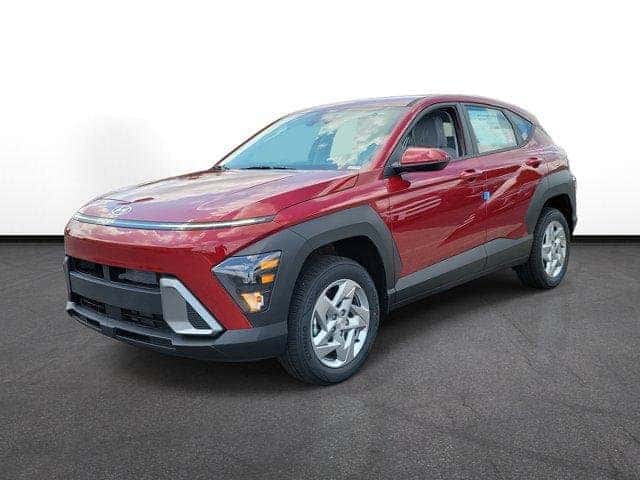
Why Trim Level Matters When Shopping for a Subcompact SUV
Subcompact SUVs like the Kona are popular precisely because they don’t force shoppers into a single configuration. A trim level isn’t just a badge — it determines the engine under the hood, the technology in the cabin, and which safety features come standard versus available. Choosing the right 2026 Hyundai Kona trim means thinking honestly about how the vehicle will be used day to day: a shorter commute might call for maximum fuel efficiency, while frequent highway driving or hauling gear might make the extra horsepower of a higher trim worth the investment. Understanding these differences upfront helps buyers avoid paying for features they won’t use — or missing ones they will.
SE and SEL Sport: Efficient Power for Everyday Driving
The 2026 Kona SE and SEL Sport trims are built around a 2.0-liter four-cylinder engine paired with an Intelligent Variable Transmission, delivering a smooth ride tuned for efficiency. Front-wheel drive comes standard on both, with Hyundai’s HTRAC All-Wheel Drive available for extra confidence in rain or snow. SEL Sport builds on the SE with sportier styling and available technology upgrades, making it a natural step up without moving into the turbocharged lineup. For commuters navigating Dayton traffic or I-75, these trims strike a practical balance between performance and value.
SEL Premium and Limited: Turbocharged Performance
Drivers who want more power can step up to the SEL Premium or Limited trim, both equipped with a 1.6-liter turbocharged engine paired with an eight-speed automatic transmission. The added output makes highway merging feel noticeably more confident, while HTRAC All-Wheel Drive remains available for year-round traction. Limited trim layers on the Kona’s most premium comfort and convenience features atop that turbocharged powertrain. For Dayton-area drivers who want the Kona’s compact footprint without sacrificing performance, these upper trims close the gap between subcompact SUV and something that feels genuinely quick.
Hyundai SmartSense Safety Technology
Every 2026 Kona trim includes Hyundai SmartSense, a suite of driver-assistance features designed to support awareness on every trip. Standard technology includes Forward Collision-Avoidance Assist with Pedestrian Detection, Lane Following Assist, Lane Keeping Assist, Blind-Spot Collision Warning, Rear Cross-Traffic Collision-Avoidance Assist, Driver Attention Warning, Safe Exit Warning, and High Beam Assist. Higher trims add further visibility tools, including Blind-Spot View Monitor and Surround View Monitor, along with front, rear, and side Parking Distance Warning sensors. Whether navigating busy intersections around Dayton or merging onto the highway, this layered approach to safety technology is one of the Kona’s strongest selling points across the lineup.
Cabin Technology and Connectivity
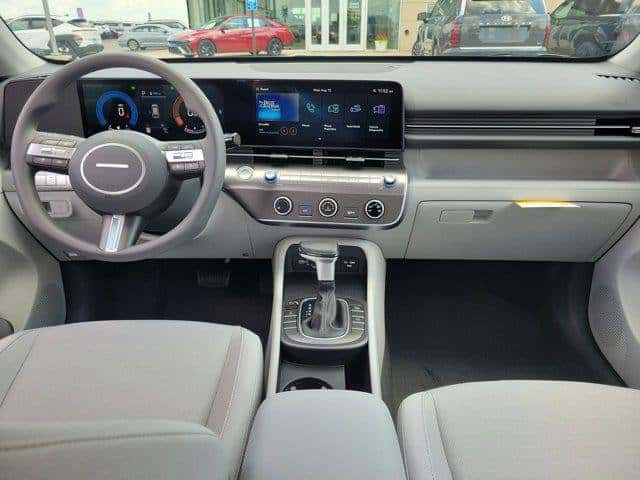 Inside, the 2026 Kona is built around a 12.3-inch touchscreen on most trims, paired with wireless Apple CarPlay and Android Auto so drivers can stay connected without hunting for a cable. Bluelink+ connectivity adds remote features like vehicle status checks and remote start through a smartphone app, while available wireless device charging keeps phones powered on the go. SEL Premium adds a sunroof for a more open, upscale cabin feel. These are the features drivers interact with on every single trip, not just on the test drive.
Cargo Space and Everyday Practicality
Despite its compact dimensions, the 2026 Kona offers 25.5 cubic feet of cargo space behind the rear seats, expanding to 63.7 cubic feet with the seats folded down — enough for grocery runs, weekend gear, or a Costco trip without feeling cramped. Seating for five keeps the Kona practical for small families or carpooling, while its raised ride height makes loading and unloading easier than in a traditional sedan. It’s this mix of a small footprint and genuinely useful cargo room that keeps the Kona in the conversation for buyers cross-shopping the subcompact SUV segment. Browsing the full 2026 Kona inventory side by side is an easy way to see how cargo space and features compare across trims.
What Buyers Should Compare Before Choosing a Trim
With four distinct trims, choosing the right 2026 Kona comes down to a few key questions. Budget-focused buyers should weigh the turbocharged engine’s extra power against the efficiency of the base 2.0-liter setup — and if a current vehicle is part of the equation, it’s worth finding out what your trade-in is worth before deciding. Drivers who deal with winter weather or rougher roads should factor in whether HTRAC All-Wheel Drive is worth adding to their preferred trim. Anyone who leans heavily on in-car technology should compare which connectivity and safety features are standard versus optional at each level. A test drive across a couple of trims is often the easiest way to feel the real-world difference.
The 2026 Hyundai Kona brings genuine choice to the subcompact SUV segment, whether you prioritize efficiency, power, or technology. Joseph Airport Hyundai’s Dayton-area team can help you compare trims side by side — browse our current Kona inventory online, or stop by to experience the differences for yourself.
0 comment(s) so far on What Trims and Features Make the 2026 Hyundai Kona a Top Pick for Dayton Drivers?